When Education Becomes an Investment Rather Than an Expense: How Consumer Culture Is Reshaping Egyptian Family Decisions
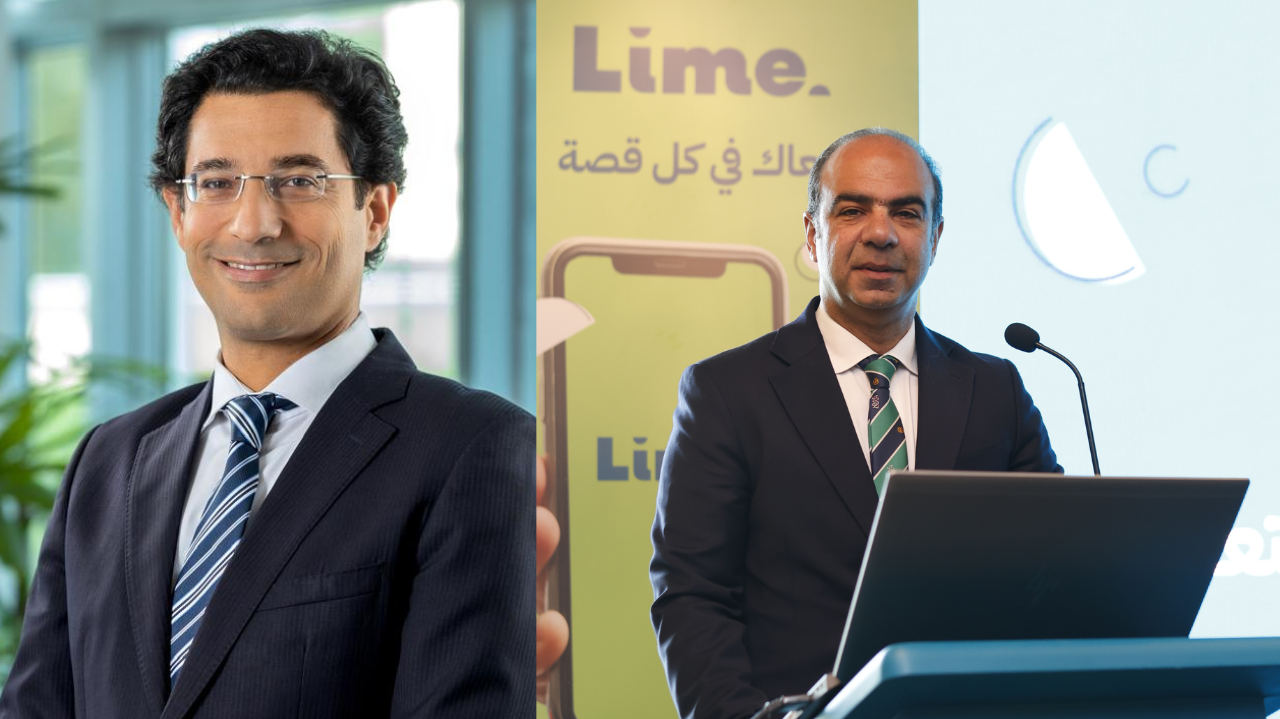
By Ahmed Mohsen, CEO and Managing Director of Lime Consumer Finance, and Professor Hamed Shamma, Professor of Marketing and Consumer Behavior Expert at The American University in Cairo (AUC)
For decades, financial decision-making in Egyptian households followed a simple rule: if the money was not available today, the purchase could wait. Today, that rule is changing.
Across Egypt, families are increasingly making financial decisions through a different lens, one focused on planning, liquidity management, and long-term outcomes rather than immediate affordability. Nowhere is this shift more evident than in how parents approach one of life's most important decisions: their children's education.
According to Professor Hamed Shamma, Egyptian consumers have undergone a profound mindset shift driven by economic pressures, digital transformation, and greater access to formal financial services. Financing is no longer viewed as a last resort or a sign of financial distress. Instead, it is increasingly seen as a strategic tool that enables families to pursue long-term aspirations while maintaining greater financial flexibility.
A New Definition of Affordability
The growth of financial inclusion reflects the scale of this transformation. According to the Central Bank of Egypt, financial inclusion reached 77.6% by the end of 2025, compared to 27.4% in 2016, bringing millions into the formal financial system. More importantly, consumer behavior itself has evolved.
Traditionally, consumers asked, Can we afford to pay the full amount upfront? Increasingly, however, they are asking, How can we manage this commitment sustainably while maintaining financial stability?
Affordability is no longer defined solely by price. It is increasingly shaped by flexibility, cash flow management, and preserving liquidity.
Three factors are accelerating this shift. First, inflation and economic pressures have made households more deliberate in prioritizing spending. Second, digitalization has exposed consumers to new lifestyles, aspirations, and financial tools. Third, younger generations are far more comfortable using formal financing solutions and evaluating purchases based on long-term value rather than immediate cost.
Together, these forces point to a broader maturation of Egypt's consumer economy, where households are increasingly approaching financial decisions with a long-term planning mindset rather than focusing solely on immediate affordability.
Education: The Ultimate Investment
Few sectors illustrate this transformation more clearly than education. Education has always been central to Egyptian families, but its role has evolved. Today, educational choices are increasingly linked to aspirations for global exposure, career competitiveness, and future opportunities.
Professor Shamma notes that these decisions are rarely purely financial. Parents do not choose schools or universities based solely on tuition fees or rankings; they are also influenced by aspirations, identity, social positioning, and perceptions of the opportunities institutions can provide.
This emotional dimension explains why education remains one of the most resilient categories of household spending. Even during periods of economic uncertainty, families often postpone vacations, major purchases, or other discretionary expenses before compromising on their children's education.
In many households, education is no longer just another budget item—it has become the organizing principle around which other financial decisions are made.
As Ahmed Mohsen explains, education remains one of the least price-sensitive sectors in Egypt because families assess it through the lens of future returns, social mobility, and career prospects.
At the same time, decision-making dynamics are changing. While parents traditionally had the final say in university selection, today's Gen Z students play a much more influential role, often identifying preferred institutions and convincing families that the investment is worthwhile. As educational aspirations continue to evolve, so too does the way families choose to finance them.
Financing Aspirations Rather Than Consumption
As educational ambitions rise, so do the financial commitments required to achieve them. The expansion of private, international, and specialized educational institutions has broadened choices for families, but rising tuition costs have also widened the gap between aspiration and affordability.
Yet the growing demand for education financing should not be interpreted simply as an inability to pay. Many families are increasingly choosing flexible financing to better manage cash flow, align payments with income cycles, preserve liquidity, and support broader household financial planning.
Installments are becoming less about purchasing power and more about financial optimization. In an inflationary environment, financing also offers protection against future price increases, allowing families to secure educational costs today while planning more effectively for tomorrow.
According to Mohsen, this reflects a broader evolution in consumer finance. Traditional financing was designed primarily to facilitate purchases. Today, there is growing demand for purpose-driven financial solutions tailored to life-defining commitments such as education, commitments that are recurring, long-term, and closely tied to future outcomes.
Looking Ahead
As Egypt's financial ecosystem continues to evolve, the most significant transformation may not be technological, but behavioral. The next chapter of consumer finance will be defined not simply by greater access to financing, but by solutions that help families invest confidently in the decisions that shape their future.
For millions of Egyptian families, education remains the clearest example of that shift—not simply because it is a priority, but because it is increasingly viewed as an investment in opportunity, mobility, and the next generation.